


778.709.0343
TheSpencerSymington@Gmail.com
Portfolio

|
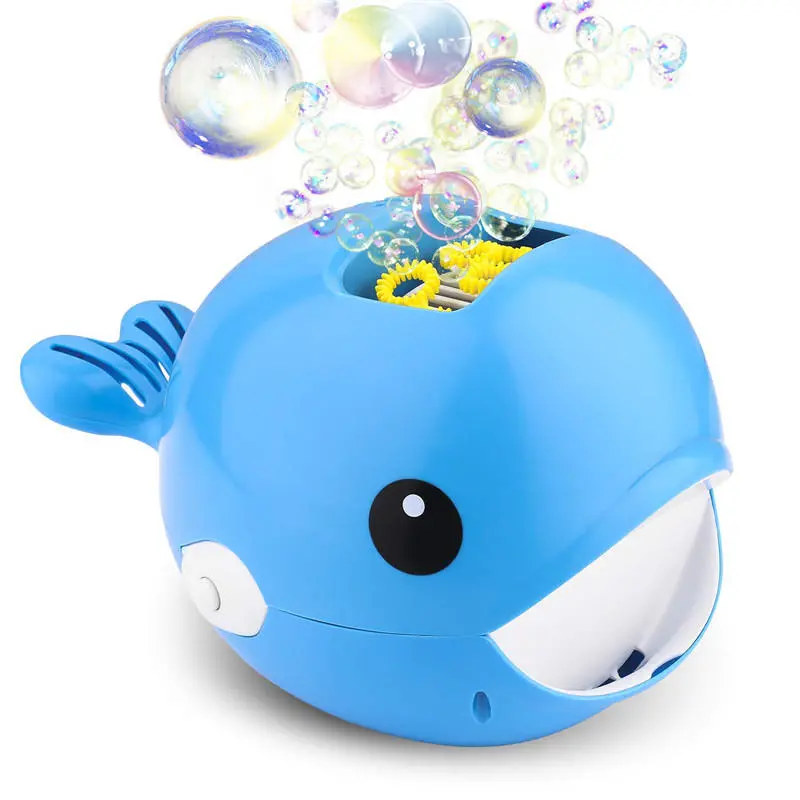
Bluetooth Bubble WhaleFor the iOS app, this was my first project using Combine instead of RxSwift. It was suprisingly easy to adopt and was able to get all the functionallity I needed. For practice, I made the same UI 3 times using UIKit, swiftUI, and Flutter. Currently I am linking Bubble Whale to make a bust of bubbles when my coffee is ready. |
|
Arduino - Swift - C++ - Blutooth - siri shortcuts - URLShemes - SwiftUI - Combine - Flutter
|
|

|
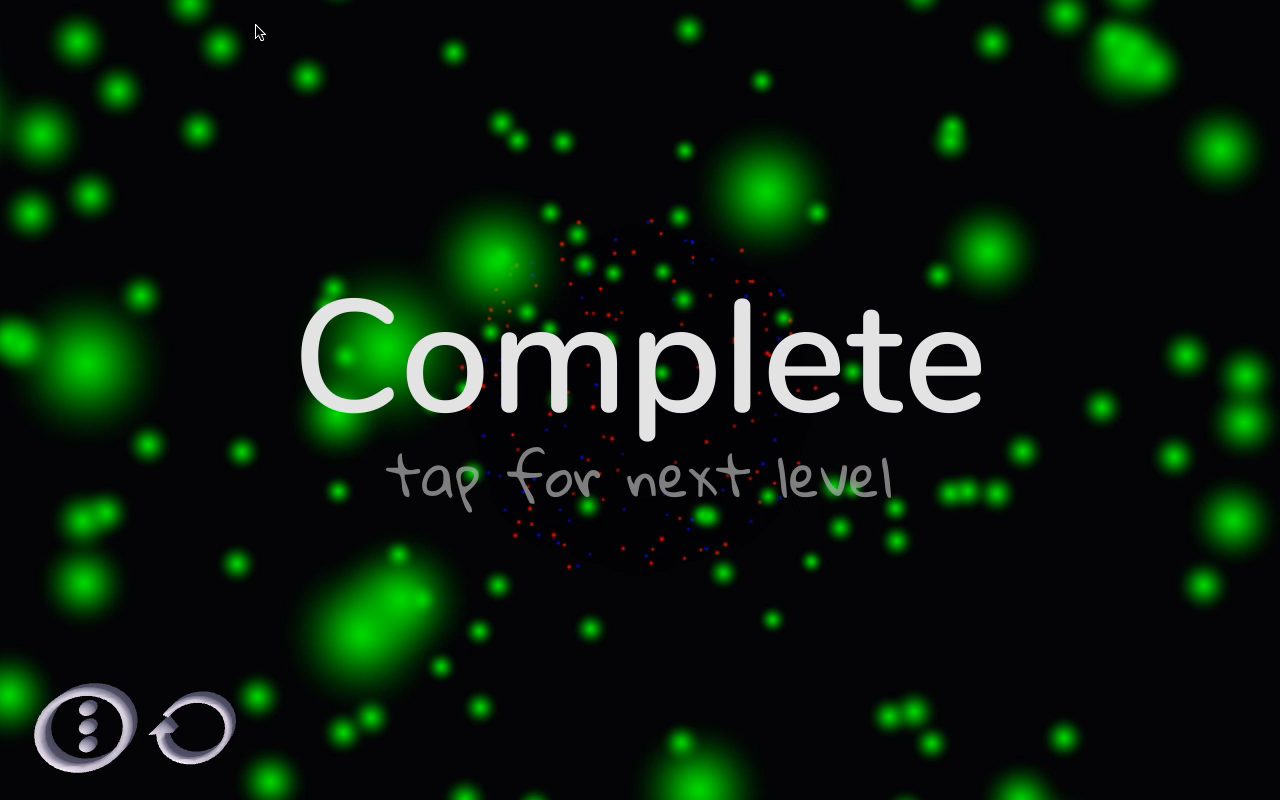
CologryColorgy is a Psychedelic color mixing game design and developed entirely by me over a period of 6 weeks. It is available on the Play Store and Itch.io android, Windows, Mac-OS, and in browser. The game features 200+ levels, a level editor, a dynamic musical elements that reacts to the player's actions, 'modal' level design that is different with every play through and some extremely tricky puzzles that can have you wracking your brain for hours. |
|
Unity3D - C# - Blender
|
|

|
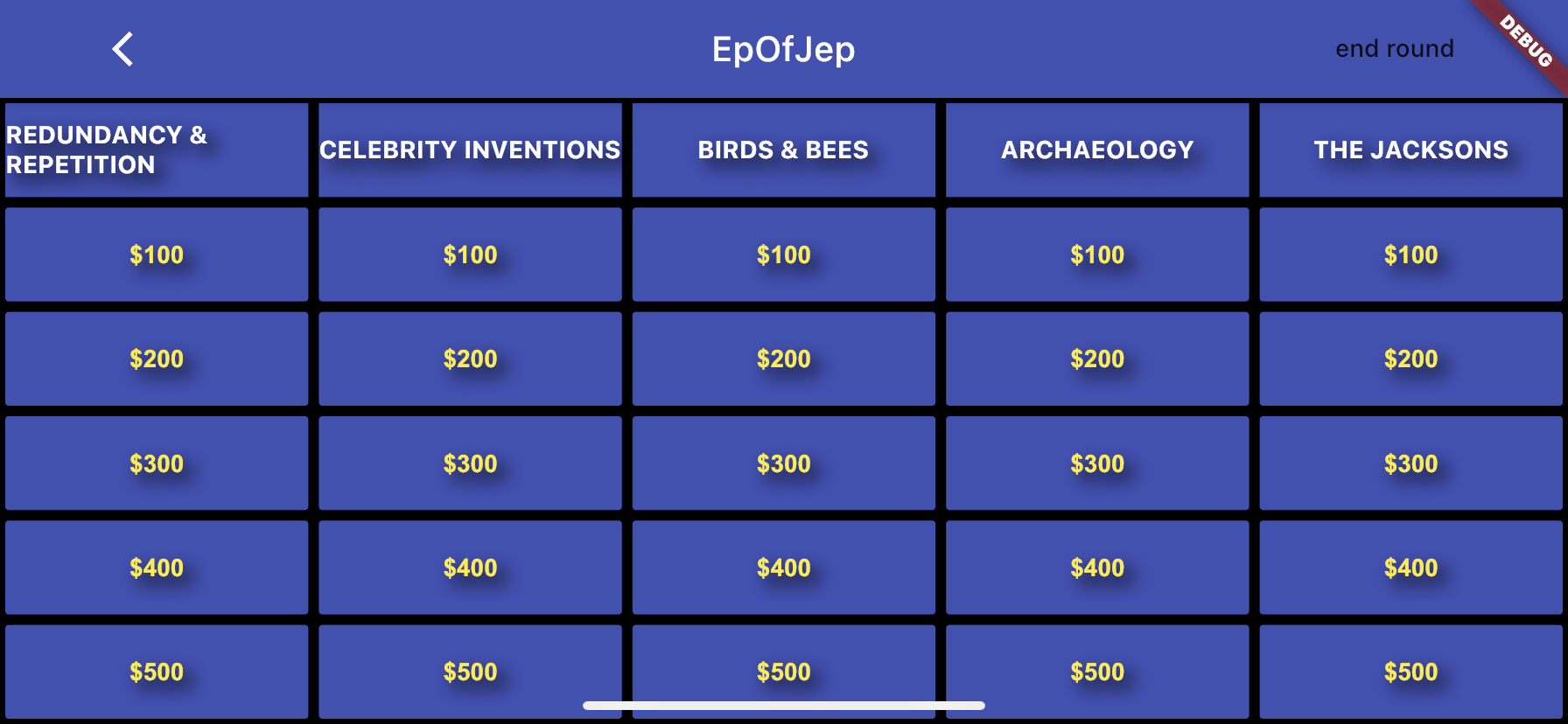
EP of jEPMultiplatform "Jeopardy" style game. Client side applications (iOS, Android, Web) are built in flutter and RxDart with a simple REST api built in with Firebase functions. The server calls other 3rd party repositories to generate a random game with single, double, and final jeopardy rounds. There is also a mode that offers an endless stream of Jeopardy Questions. Future plans include tracking correct/incorrect clues so players can review their stats, or review incorrect response to improve. I also plan to use the firebase realtime data base to implement a multiplayer mode. |
|
Flutter - Dart - Firebase - REST - FBAnylitics - Node.js - javascript
|
|


|
LifeLapsLifeLapse is a stop motion photo app for Android and iOS. I worked on the iOS side adding many features and improving the existing code. I helped build and connect LifeLapse to firebase, greatly improving our ability to update our content quickly. I was the sole developer for much of my time there, but did provide code reviews when other developers came onboard. We worked with Agile and Scrum Methodologies. |
|
Swift - Realm - Firebase - AVKit - CoreGraphics - MixPanel - Adjust - FacebookSDK
|
|

|
Number MemeoryThis is really a series of services to work with Dominic O'Brien's method of memorizing numbers from his book "How to develop a perfect memory". The method involves thinking of 100 people to represent the numbers from 0 to 99, and giving each of those people an action.One of the services on the app just lets you type numbers and returns the described scene. '4328' = 'superman on a skate-board'. Another will present the user with an image 'cat-woman throwing a poke-ball' = ‘3801'. There are couple other service to help with memorizing digits of pi Right no the app is hardcoded to the images I use to remember numbers (so will not make much sense to anyone else) but if I find it to be useful I will refactor to allow users to input their own system. |
|
Swift - SwiftUI
|
|
|
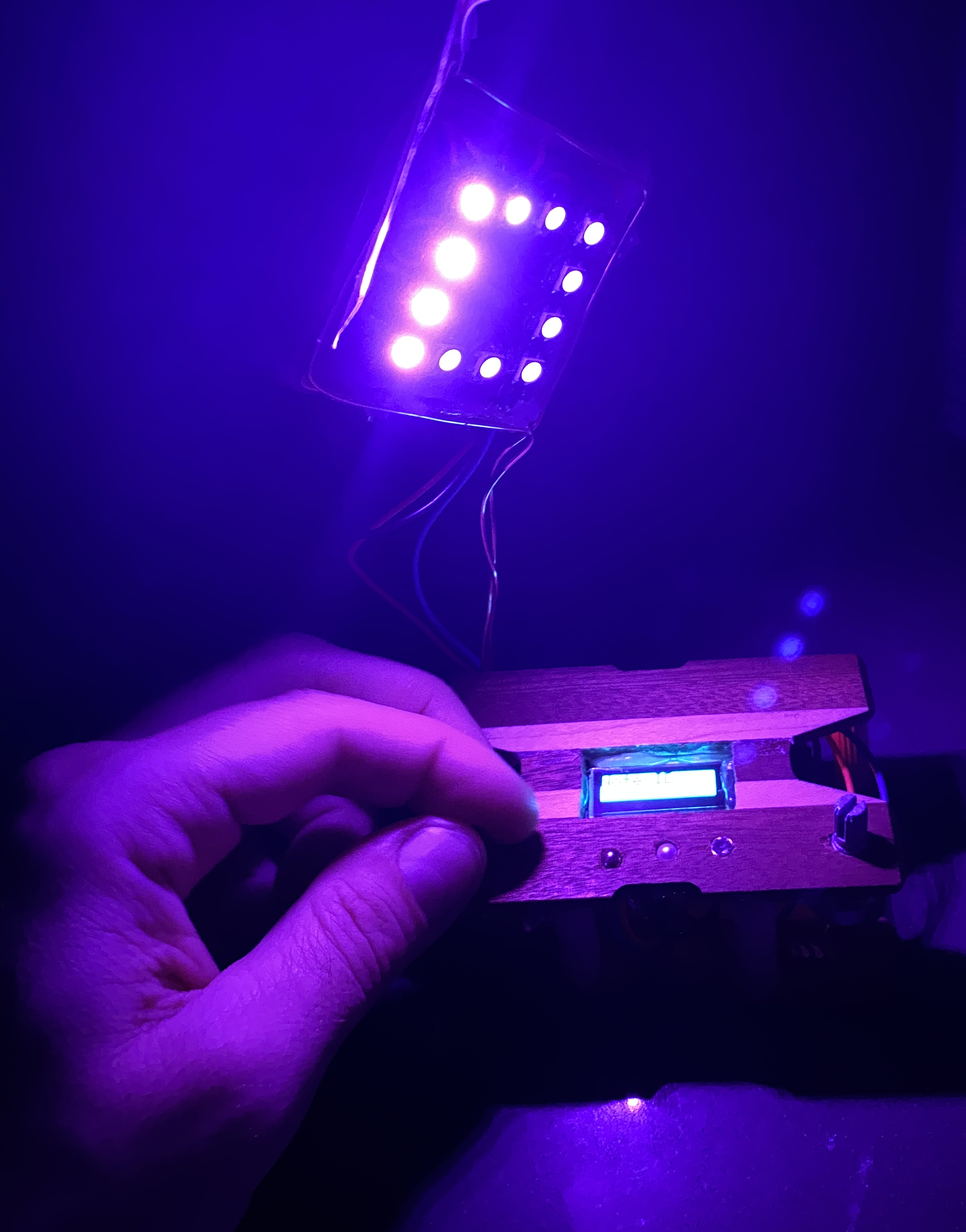
Lamp-a-tronThis was my first arduino build, built in my apartment during quarantine… so the construction is a little rough in places 🙃 When starting the project, I had wired up several projects before using bread boards, but I really wanted to create something more permanent. The inputs include two potentiometers and three buttons. For output there is a small lcd screen, a ring of RGB led lights, and and 1/8'' audio out. There is easy access to the USB in and I have programmed it to have several modes. There is a basic lamp mode brightness control. There is a metronome with flashing lights and sound.The last mode is in experiment with memory palaces and music; experimenting with associated musical pitch with a place, a color, or and object. (more on that soon!) Though I thought of it as a bit of a throw away project it has turned out to be more useful than expected. It makes testing led or lcd scripts really easily without having to wire anything up. My wife also frequently uses it as a reading lamp. |
|
Arduino - C++
|
|
|
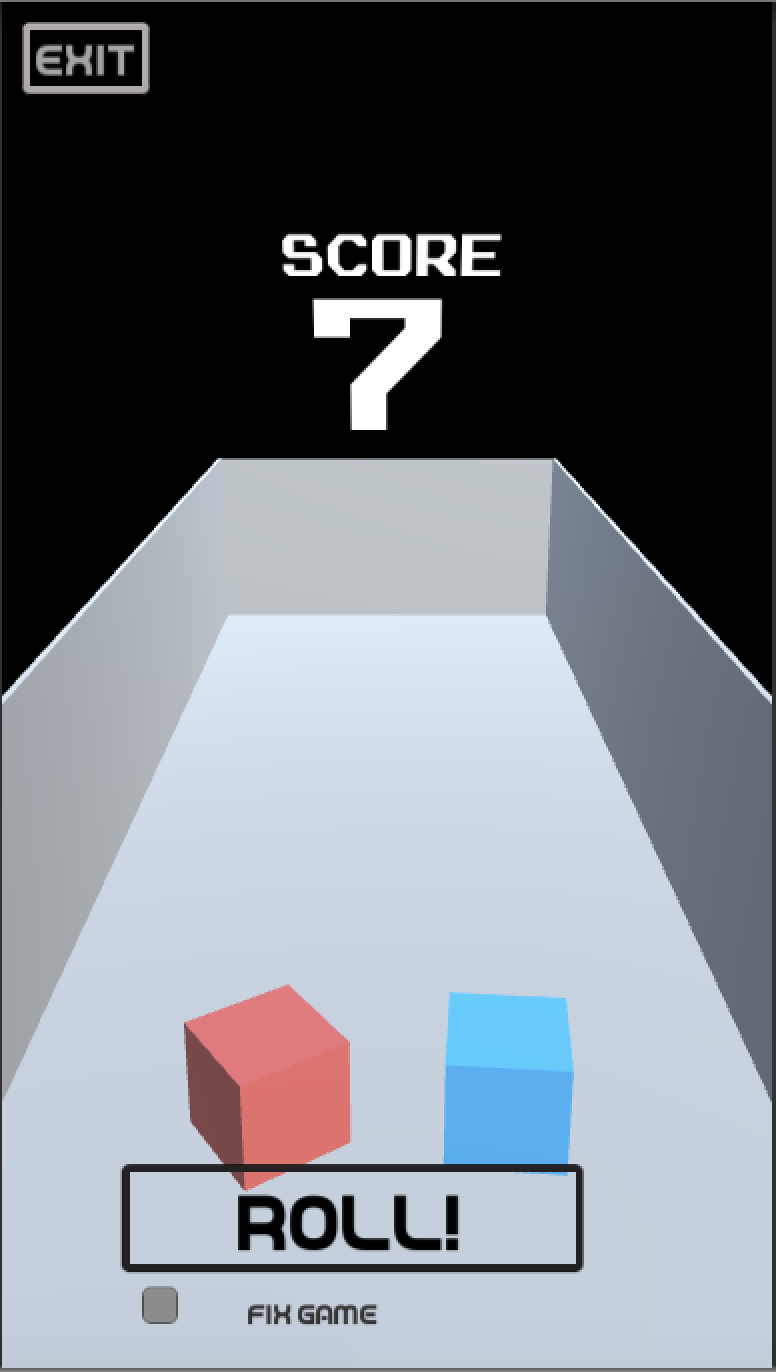
Fun Time DiceThis was a project I completed for a job application in 2.5 hours. A very specific set of rules and specifications were given and the project was to be completed in a short period of time. Demonstrates basic navigating and passing data between scenes. |
|
Unity3D - C#
|
|

|
Zoom Effects "Zoomyy"This was an existing codebase I was hired to work on. Designed for use with instagram, the app allows the user to turn an image into a video that slowly zooms in or out or both. I updated the in app purchases and improved the store page for this app. I was also able to address existing memory issues (caused by improper managment of notifications) and improve the app's overall performance. |
|
Swift - IAP - Notifications
|
|

|
One Button WorkoutOne button workout was my final project for the Lighthouse Labs iOS development course. It uses Apple Speech Kit API to let users easily track there workouts. I worked on the speech input and speech parsing aspects of the app as well as the UI. Now available on the app store. |
|
Swift - Realm - Apple Speech - Core Graphics - Charts
|
|

|
Sudoku SolverMy Sudoku Solver uses a depth first algorithm to find the solution to any Sudoku puzzle. There are variable speeds so the use can see the algorithm in action and really appreciate how many calculations the program is going through in a fraction of a second. I have built this same project in Java on android but I felt it was better suited as a web app.Give it a try! |
|
JavaScript - CSS - HTML
|
|
|
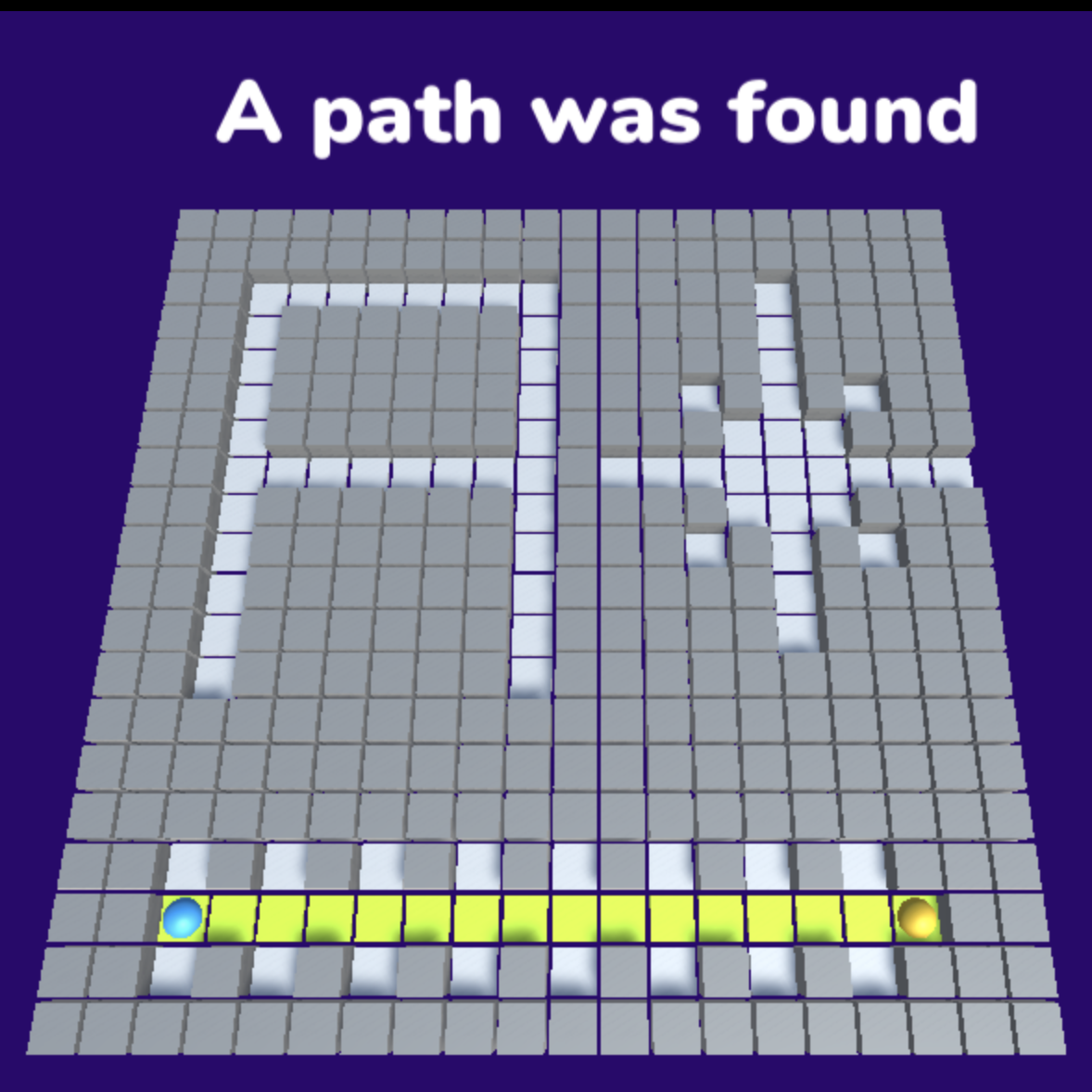
A* PathfindingThis is my implementation of the A* pathfinding algorithm, a very common algorithm for all types of games. What I find extremely fascinating about this algorithm, is that the same algorithm can work on any type of grid. In my example, the exact same code can find a path on a square, hexagonal, and triangular grids. The same algorithm could easily be used to find paths on 3D, 4D+, or nodular grids. The only information it requires is: 1)How many steps it took to get to a tile and 2)How long it ideally would take to get to the end. |
|
C# - Unity3D - A* Algorithm
|
|
|
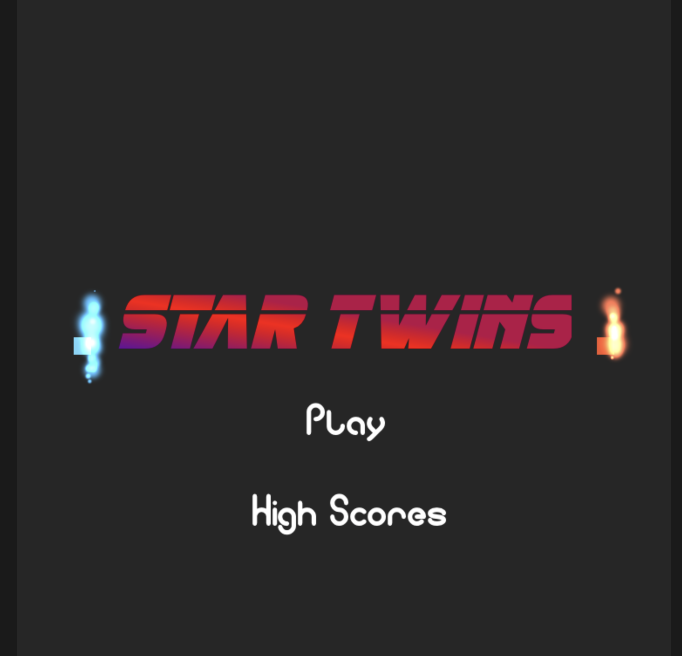
Star TwinsStar Twins is an experimental game still in progress made with Sprite Kit and Realm. With this project I wanted to stick to a very strict agile design process and quickly develop an MVP with the absolute minimum features to still be a playable game. I have a long list of possible features to potentially add, but have been only adding features that will immediately improve the user experience. The progress has been great, I had a playable game after day one and was able to start building based on user feedback after that. |
|
Swift - Realm - Sprite Kit
|
|

|
DinderDinder was my mid-term project at Lighthouse Labs. Our app the 'swipe right for yes, left for no' model, but has the user swiping through potential dates and activities rather than just user profiles. It has the benefit of allowing users to meet people based on shared interests, or interest in a new activity. We worked as a team of two with me working on the UI/UX and animations and my partner built the database in firebase. |
|
Swift - Firebase
|
|
|
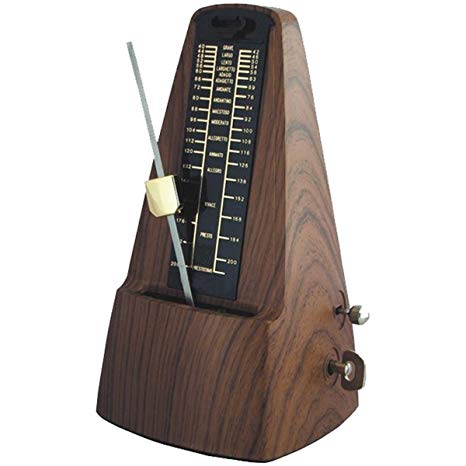
Android MetronomeThis turned into a larger project than I initially planned. I was able to make a simple metronome quite quickly, but I found that of speeds over ~210 bpm the metronome was no longer accurate. The play function on the media player was not immediate enough to be accurate at those speeds. I had previously noticed as a music teacher that many online JavaScript metronomes seemed to be slightly off. I ended up solving the problem by parsing the binary data from the sample sound and creating a new wav file every time the tempo was changed, and simply looping through that. This results in an extremely accurate metronome, my version has an arbitrary limit at 600bpm, but I found it to be working fine at 1000s of beat per minute. |
|
Java - Native Android
|
|
|
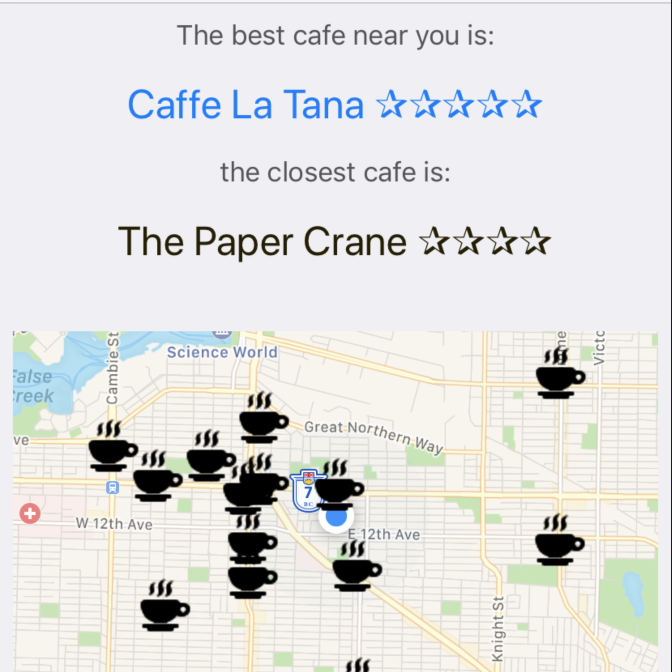
Uber BeanThis was a project for Lighthouse Labs that I took a little further. I wanted to experiment more with getting data from rest APIs and presenting it in a useful way. My version of Uber Bean finds all the coffee shops near you and also provides you with the closest and highest rated coffee shops in your area. Clicking on a coffee shop queries the yelp API for more information and provides the user with an address, phone number, and the first three reviews. |
|
Objective C - Map Kit - Yelp API
|
|
|
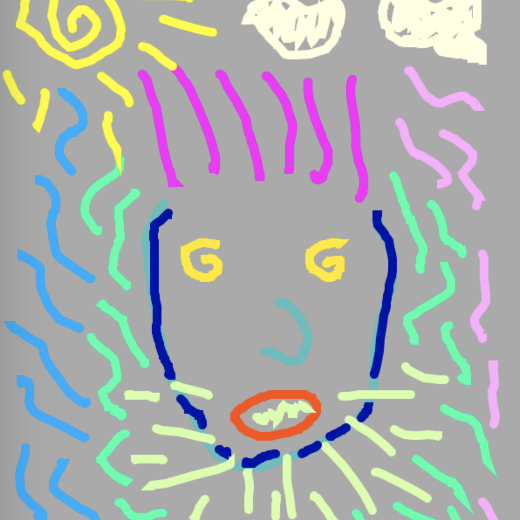
Finger PaintAnother project from Lighthouse Labs. This is a basic painting app. After finishing the assignment I refactored the code to allow for multiple colors with RGB color sliders, erase, undo and redo. I also optimized the draw function to only update sections of the screen that need to be updated. |
|
Objective C
|
|
|
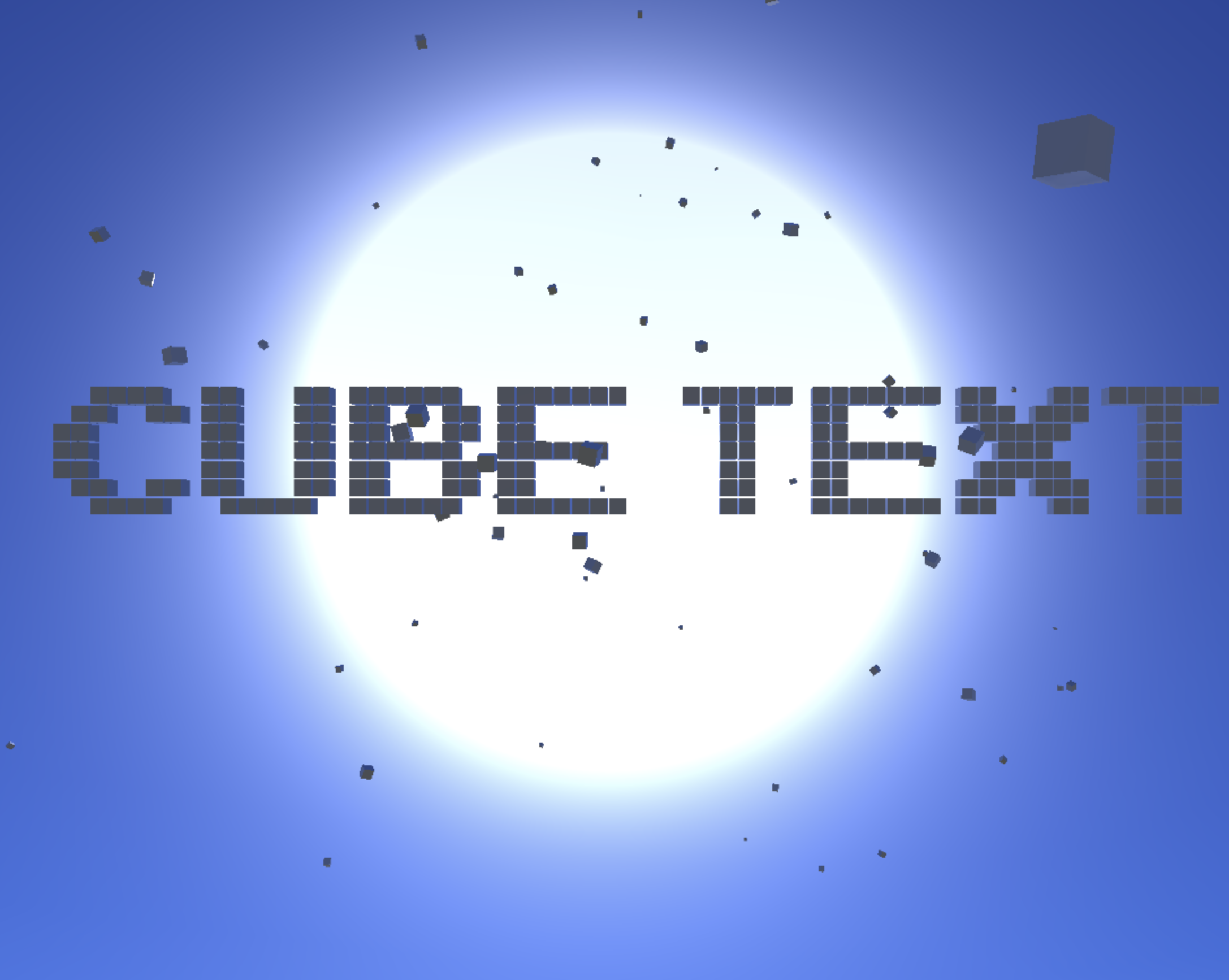
Cube TextCube Text is a proof of concept inspired by a font I once saw and have not been able to track down. I am really interested in making text and UI elements interwoven into the game world. The program takes an inputted string and spells it out with a series of cubes (or spheres or coins). The terrain is just provides some context for how the 'text' might interact with the world. I could see this idea easily being implemented in a dynamic credit sequence, a boss who attacks with words or phrases, spawning power-up or enemies. It could even be a central game mechanic in it self. |
|
C# - Unity3D
|
|

|
Monty Hall SimulationThis was a quick build and like many great works, was inspired by ignorance on the internet. I was amazed that in 2018 I was still encountering people who were arguing about the logic behind the Monty Hall problem. I thought that, rather than explain it with math, why don't I just let the user try it as a simulation and see the results for themselves. The web app lets the user play the game the regular way, or lets the user run a large number of simulations. The app then provides an analysis of the data (which door was better to bet on) based on all the simulations run. With a small sample size, the results are quite random, but with enough simulations, the data converges on the expected probabilities. |
|
JavaScript - HTML - CSS
|
|
|
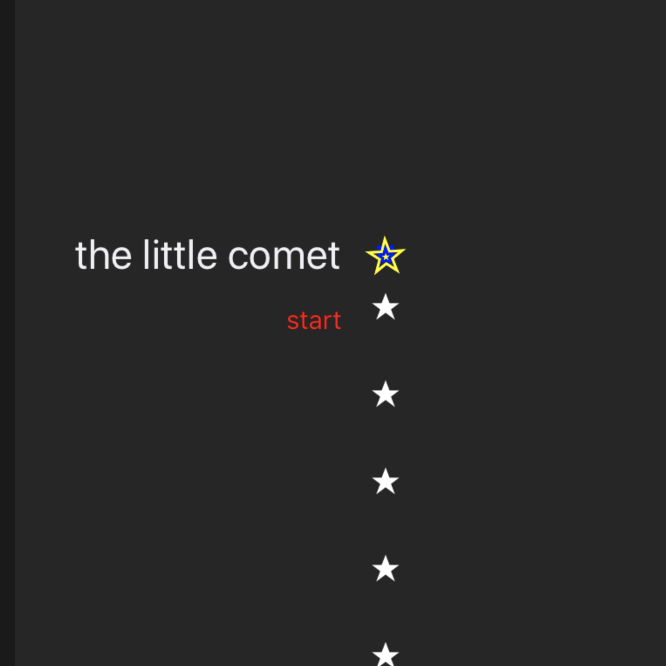
The Little CometThis was the pre-cursor to Twin Stars that I began developing during my free time at Lighthouse Labs. I originally had the idea of a game where the user circles around objects to get points. Circling around some objects would add to you score or would stack and multiply together. Other objects would damage you or have other effects. Working on this project I learned a great deal about Sprite Kit and Core Data. Though the circling mechanic is a cool idea, cool ideas don't always equal good gameplay. When testing the game, it didn't really seem to engage users and the circling mechanic was not as fun as I imagined. |
|
Swift - Sprite Kit - Core Data
|
|
|
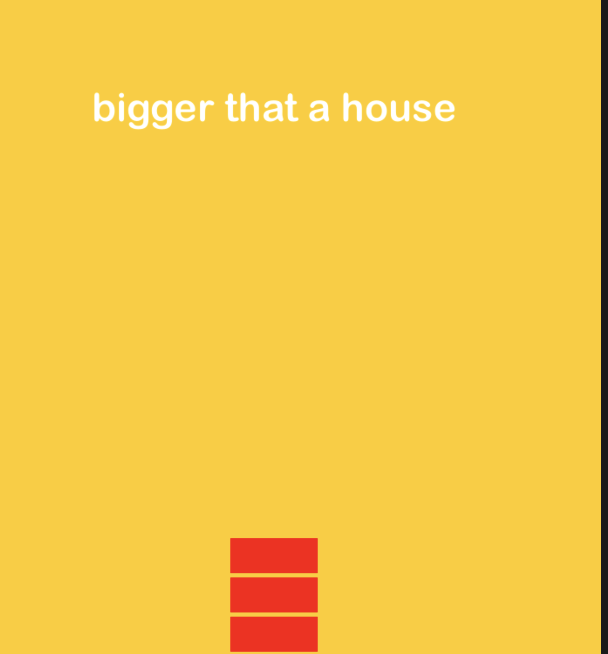
Fall DownFall Down was my first experiment with Sprite Kit written completely in Objective C (I didn't know any Swift at this point). Inspired by the game 'Catch-um' (I can't seem to find any record of this game existing) I remember playing in elementary school. The player is given a prompt (ex. 'Bigger than a house') and must only catch objects that match that criteria (the moon or a tornado == OK , a butterfly or a car == NOT OK). I envisioned having a database of objects and randomly generating levels every time the user played. I had to leave this project behind as the work load at Lighthouse Labs became more demanding, but I hope to re-visit it to keep my Objective-C skills sharp. |
|
Objective C - Sprite Kit - Core Data
|
|
|
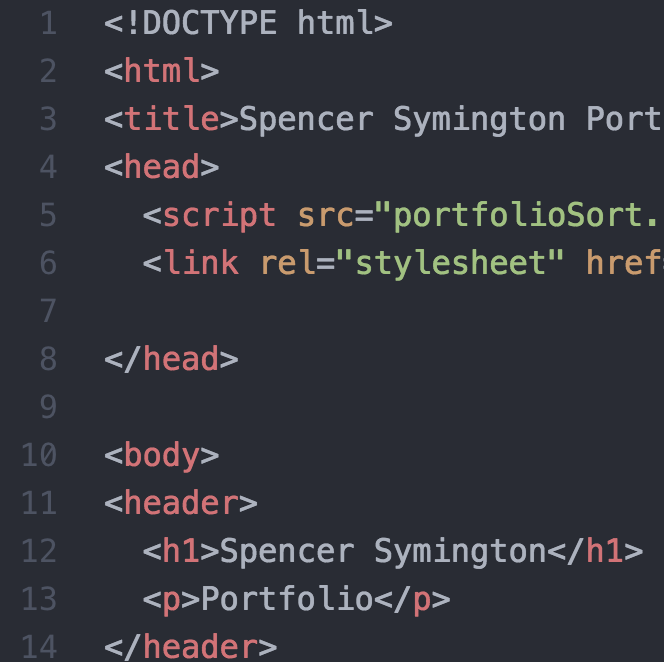
This WebpageThis wepage and my resume were created by me using HTML and CSS. The project filtering is done by JavaScript. |
|
HTML - CSS - JavaScript
|
|